History · 1925–2026
A hundred years on the Credit River.
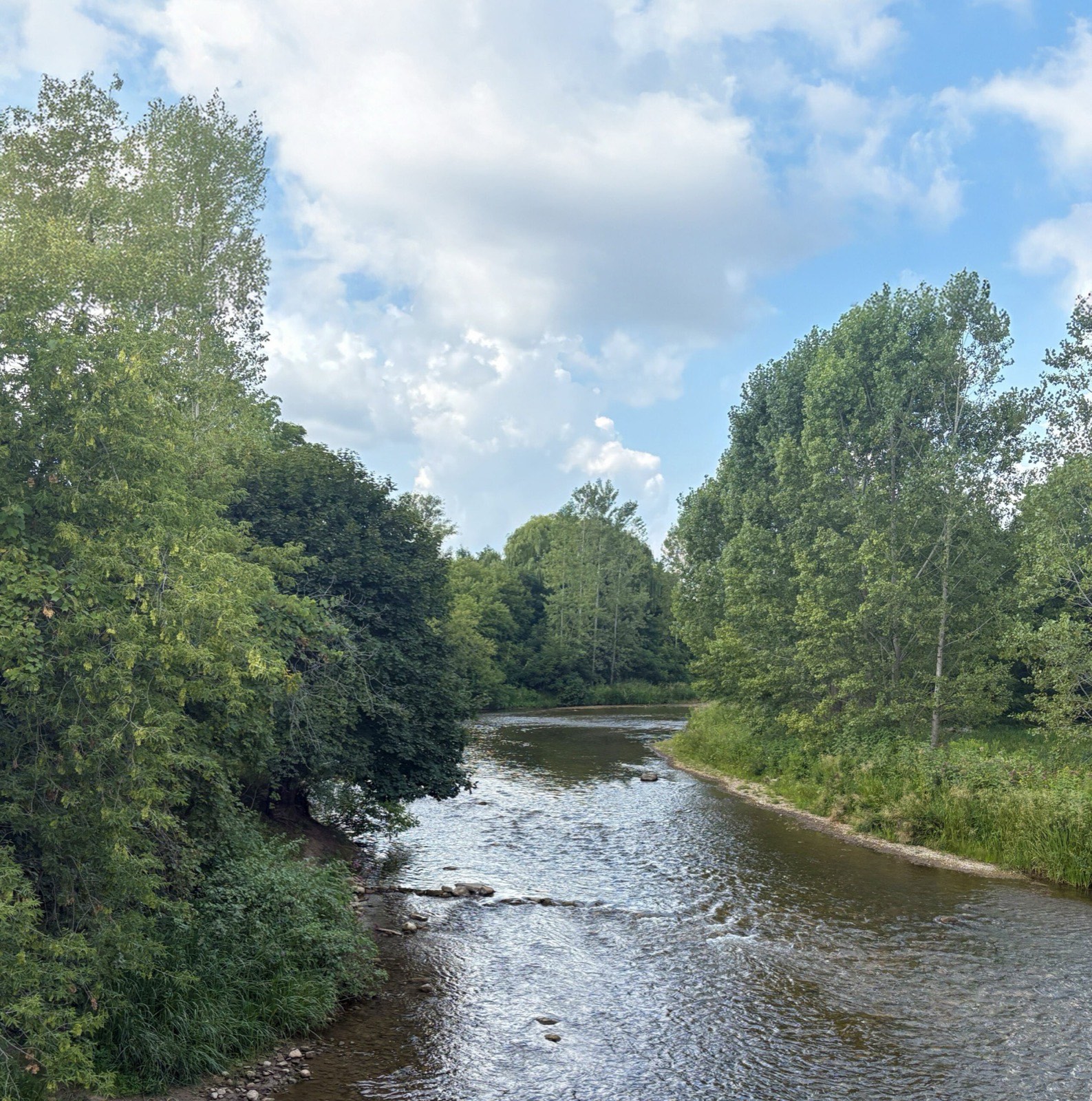
Camp Naivelt, unzer zumer haym, our summer home, began in 1925 as a children's camp built by six women who believed that working-class Jewish families deserved a summer in nature. A century later, three and four generations of those families still return to the same river.
Community, Culture, and Progressive Values
Naivelt means “New World” in Yiddish.
And a new world it was – it would provide a summer haven for the working class members of the United Jewish People's Order (UJPO) who lived with the hardships of xenophobia, antisemitism and poverty.
Camp Naivelt originated as an overnight children's camp called Camp Kindervelt, the Yiddish word for 'Children's World'. Kindervelt was organized in 1925 by a group of six progressive Jewish women from the Yiddishe Arbeiter Froyen Farein (Jewish Women's Labour League): Ray Watson, Becky Lapedes, Leah Linzon, Bella Goodis, Gertie Blugerman and Ethel Temkin. These forward-thinking women had a vision of an alternative society, and simply wanted to give their children access to nature, a welcome reprieve from the hustle and bustle of inner-city Toronto streets. Their families were poor; many of the women worked along with their husbands to support their families; and in the Summer there was nowhere to leave the children. So, they decided to organize a summer camp.
In the summer of 1925, they rented a furnished cottage in Long Branch on the outskirts of Toronto, from Sam and Esther Green. All of the Farein members committed themselves to two-week work shifts at the camp without pay, and they operated the camp on supplies donated from their own homes: pots, silverware, an ice box, and whatever else was needed. Although the cottage could only accommodate 16 children per week, word quickly spread through the Toronto Jewish community, and the demand soon grew extremely high.
Encouraged by this response, and to meet the growing need, the camp expanded in 1926. A farm with a stream running through it was rented in Rouge Hills, north of Toronto. Tents and beds were purchased and volunteers worked day and night to put this new camp in order. The new location could accommodate 30 children per session, but as many parents couldn't afford to pay the very low fee of $3.50-$4.00 a week per child, the camp began to run a deficit. At one point, it looked as though they would have to close their doors until Becky Lapedes suggested that they hold a fundraising tea – a huge success which raised over $1,000 (an enormous sum in those days). As a result of this endeavour, fundraising teas became an annual event.
In 1927, when registration exceeded what could be accommodated, the camp expanded once again. New tents and a dining area were put up to accommodate 70 children per session. More volunteers were needed, so more adults began spending time there. This marked the beginning of both children and adults sharing a summer experience.
In 1928, after the fourth year of camp, the women decided that running the camp had become too much of an undertaking, and they asked the Labor League (the forerunner of the UJPO) to take over, which they did.
When the 10-year lease for the Rouge Hills site expired, the Labor League found a 100-acre property in what had been a public amusement park owned by the Canadian National Railway, just outside Brampton and bordering the Credit River – Eldorado Park. A holding company, Eldorado Camp & Amusements Limited, was established and community members bought shares in the camp for $5.00 in order to raise the money for the purchase.
Through lots of hard work and the generous sharing of time and money, Camp Naivelt was built, officially opening on June 28, 1936. At the same time, the children's Camp Kindervelt changed its name to Camp Kinderland (Children's Land). When the UJPO emerged from the Labor League in 1945, both Naivelt and Kinderland became part of this new, larger organization.
At its peak in the 1950's, Camp Kinderland housed 12 bunks, the Camp Director's cabin, an Arts & Crafts cabin, an infirmary and the "Ritz" (communal washrooms). The three rolling hills of Camp Naivelt had a swimming pool, some 90 small cottages, a communal dining hall, a dance hall, a youth recreation hall, a grocery store and a camp office. Activities ranged from lectures on current issues, films, poetry readings, Yiddish theatre, kultur vinkls (culture corners), folk dancing and singing, to the annual 'campaign for Mayor', boating and swimming, volleyball and other sports tournaments, hikes and nature walks and campfires.
Kinderland served over 300 children per session and as many as 5,000 people would come out to Naivelt on weekends to enjoy themselves in the country and to be part of the vibrancy of the cultural life which thrived there. Although Camp Kinderland ceased to operate as an overnight camp in 1962, it continued as a children's day camp until 1970.
When founded, Camp Naivelt, and its sister camps in New York and Quebec, were pieces of a mosaic. They were part of a wider network of progressive political and cultural organizations that provided their members with credit, cemetery plots and health care. This network included clubs where members met for political and cultural activities, such as a choir, a mandolin orchestra, Yiddish folkshules where children were taught the language and culture of the Jewish people, a dance troupe and sports leagues. The zumer heym (summer home) was a continuation and extension of the political, cultural and educational activities that went on all winter long in the city.
Camp was a place where children played, and their parents relaxed in a community where Yiddishkayt, radical politics, socialist values and visions mixed comfortably with the pleasures of being in the country. Naivelt was a working-class camp created by workers, and it taught socialist values to the next generation. For many, Naivelt was where close lifelong friendships were formed, and even today, the Naivelt community feels like an extended family.
Camp Naivelt continues to operate as a family-oriented, secular Jewish summer community glued together with humanistic, pluralistic and progressive values and that bond is very strong.
Source: Much of the information cited in this historical section was taken from ‘Camp Naivelt and the Daughters of the Jewish Left’, an essay written by UJPO member Ester Reiter. The essay can be found in Sisters or Strangers? Immigrant, Ethnic and Racialized Women in Canadian History. Edited by Marlene Epp, Franca Iacovetta, Frances Swyripa. University of Toronto Press, Canada, 2004.
From the archive
A few favourites
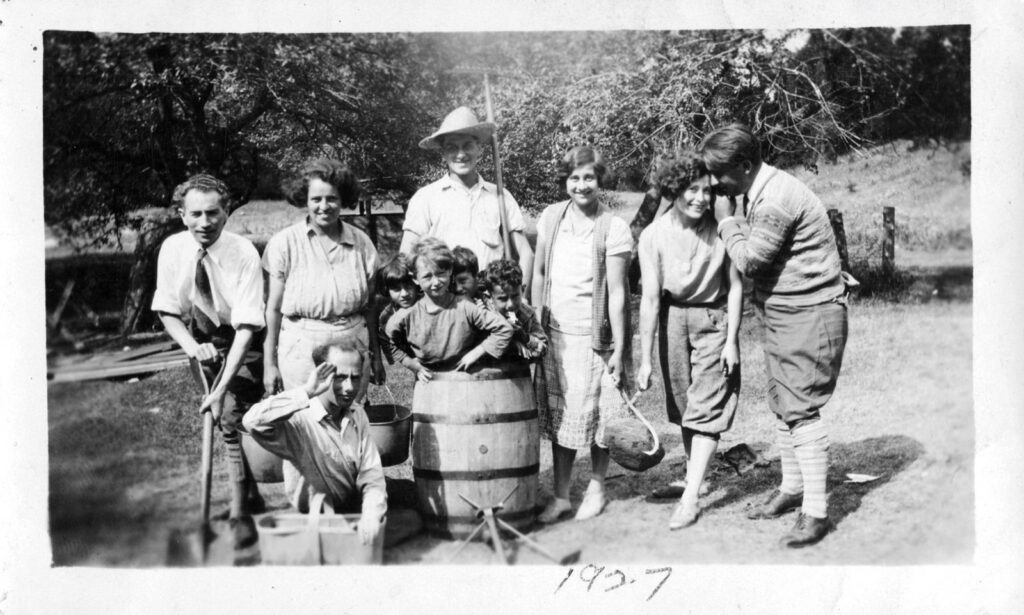 1927Camp Kindervelt in Rouge Hills, 1927, Becky Lapedes (top left), one of the founders of the Camp and a UJPO stalwart for decades
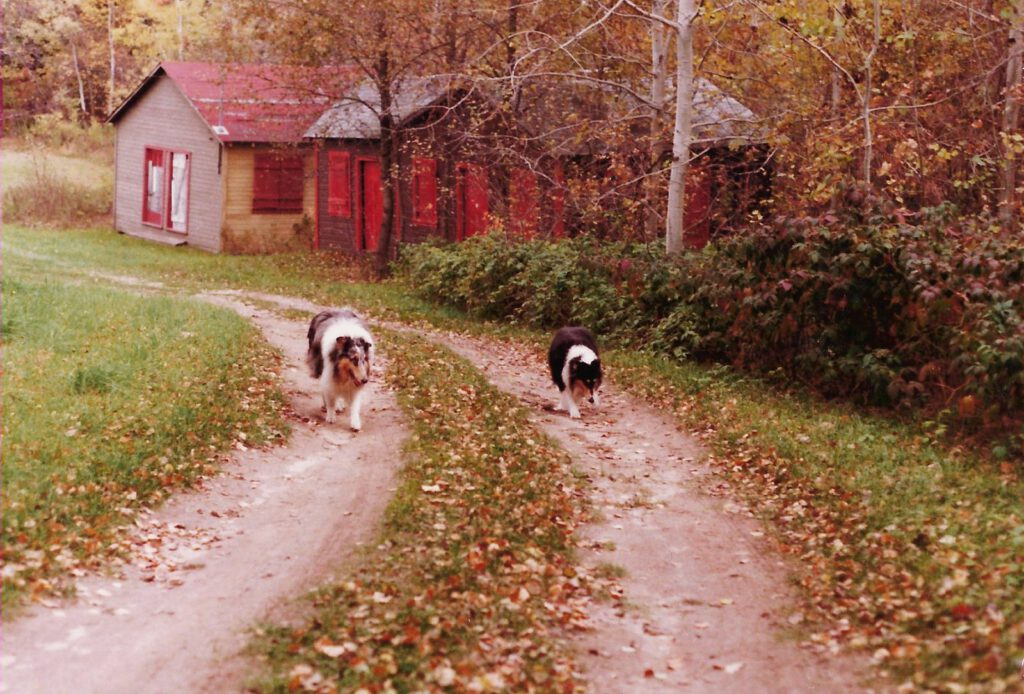 1980sDogs trot along the road past the cabins in autumn
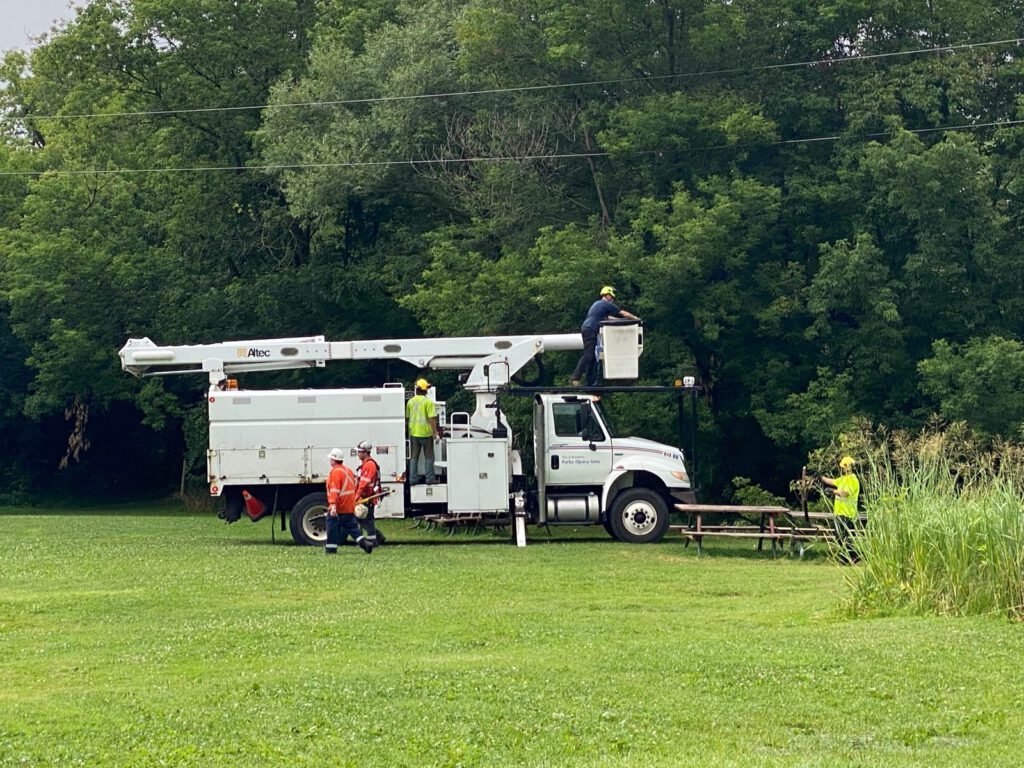 2005A hydro crew works on the power lines at Camp during the “Great Hydro Crisis”
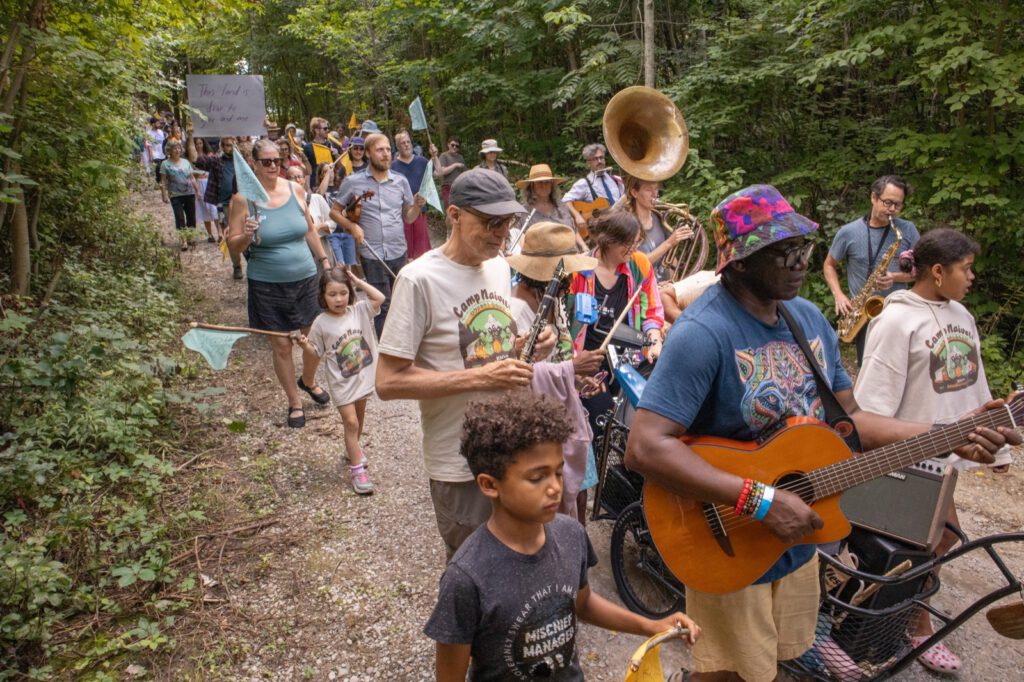 2025Camp Naivelt’s 100th anniversary weekend ended with a lively parade, August 2025 (Photo by Robert Bergman)
A radical timeline
One hundred summers.
A children's summer camp, originally called Kindervelt, is founded by a group of six women from the Communist Party-affiliated Jewish Women's Labour League. Rae Watson, Becky Lapedes, Gertie Blugerman, Leah Linzon, Ethel Temkin and Bella Goodis decided that workers' children need a summer camp of their own. The first summer camp is held at Long Branch in a cottage rented from Sam Green.
Kindervelt and a new sister adult camp, known as the Royte Colonia (the Red Colony), are relocated to a farm in Rouge Hills. Early campers describe how the children marched past the neighbouring mainstream Jewish camps waving red flags and singing revolutionary songs. Politics were part of the daily life of the children, as well as the adults. Yiddish was the spoken language for the older, foreign-born generation. The Canadian-born children spoke both Yiddish and English.
The Labour League, with ties to the Canadian Communist Party, is founded after radical members are expelled from the Arbeiter Ring (the Workmen's Circle), a Yiddish-language, socialist, North American fraternal organization.
Truckloads of Spadina garment workers pay 25 cents for the trip to Camp for a weekend of rural escape and Yiddish songs, plays, reading groups, discussions, political education and romance.
Morris Winchevsky Shule is established.
The male-run Labour League takes over the camp, but women remain the day-to-day organizers.
After the ten-year lease for the Rouge Hills land expires, 104 acres of land along the Credit River in Brampton are purchased from the Canadian National Railways using a member of the Labour League named Alick Boksen as a front buyer, presumably because people feared the CNR would balk at selling to a Communist-affiliated organization. A corporation is formed called Eldorado Camp & Amusements Limited and 8,000 shares are offered for purchase at $5 each to finance the establishment of the camp, rebranded as Camp Naivelt (Yiddish for "New World.") The children sleep in tents. Some of the women work as 'Camp Mothers' and live in family tents or cottages while their children attend the camp. Eventually, the Ritz (communal showers and washrooms) is built along with a dining hall and "hospital" (an infirmary cabin for the resident nurse). By the late 40's, the tents are replaced by twelve cabins. At its peak in the 40's and 50's, Camp Kinderland serves over 300 children each summer.
The Canadian Communist Party is banned in Canada and re-forms as the Labour Progressive Party.
The United Jewish People's Order is founded as a national organization to merge the Toronto-based Labour League with the Montreal and Winnipeg Workers' Circle as well as similar organizations in Hamilton, Calgary and Vancouver. Camp Naivelt and the Morris Winchevsky Shules in Montreal and Toronto are now part of the new UJPO.
As political tensions increase, Mounties take down license plate numbers of vehicles entering the Naivelt gates.
The Travellers are formed at Camp Naivelt after a visit by Pete Seeger who suggests that Naivelters form a Canadian version of the Weavers.
In 1951, UJPO is expelled from the Canadian Jewish Congress in the midst of the Cold War. Its socialist, pro-Soviet ideology is considered unwelcome amongst the mainstream Jewish community.
In 1956, The Twentieth Congress of the Soviet Communist Party reveals Stalin's crimes and the Naivelt and UJPO communities are torn apart by the revelations, especially reports of widespread anti-Semitism in a nation that had long been considered a progressive haven for the Jewish community. During the next three years, 40% of UJPO members, many still reeling from the revelations, would leave the organization in an exodus that would cause deep rifts at Naivelt. At the end of 1956, UJPO voted to sever relations with the Communist Party.
Camp Kinderland closes down as an overnight camp.
Facing financial difficulties, Naivelt sells almost half its land to the Township of Chingacousy (now Brampton) to create a new municipal park.
In 1971, Kinderland day camp closes down.
UJPO is re-admitted to the Canadian Jewish Congress.
After a period where many cabins were uninhabited, Naivelt enjoys an influx of new residents and young families.
Naivelt celebrates its 75th anniversary with a concert by The Travellers and a weekend of festivities.
A hydro inspection leads to a summer without electricity before power is finally restored at significant expense and a mandatory levy for cottage owners. The controversy and cost prompt a number of Naivelters to leave the community for good.
The Naivelt community stages a multi-year arts pageant, Oy di Velt, helping lead to a creative resurgence and an influx of new members.
The City of Brampton designates Camp Naivelt as a Heritage site.
Camp Naivelt celebrates its 100th anniversary stronger than it's been in decades.
Since 1925
The Founding Mothers
In 1925, six women of the Jewish Women's Labour League started a summer camp, Camp Kindervelt, in Long Branch, for the children of working families. In 1936 it moved to a permanent home on the Credit River near Brampton and was rebranded Camp Naivelt, Yiddish for “A New World.”
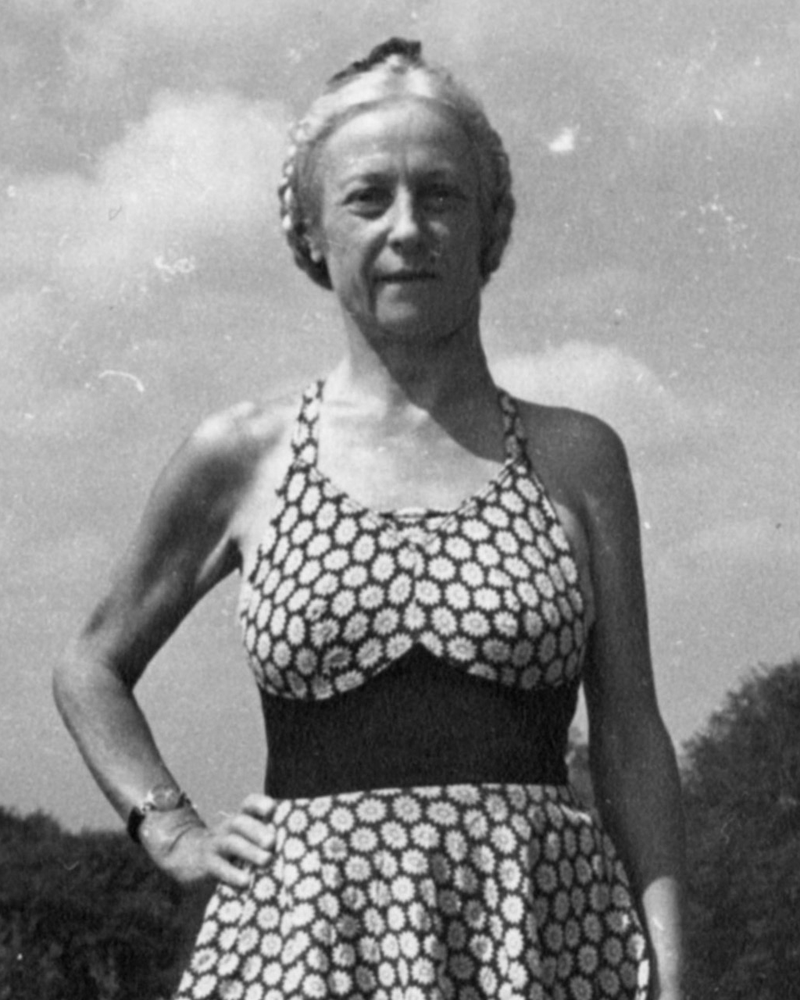
Rae Watson
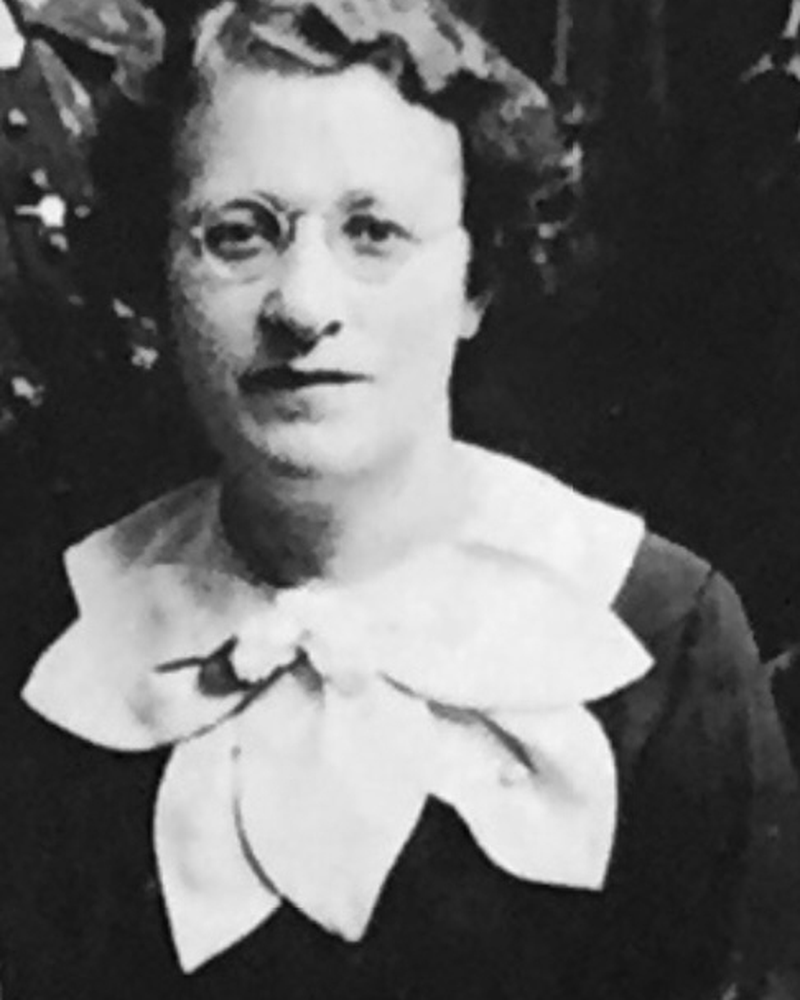
Bella Goodis
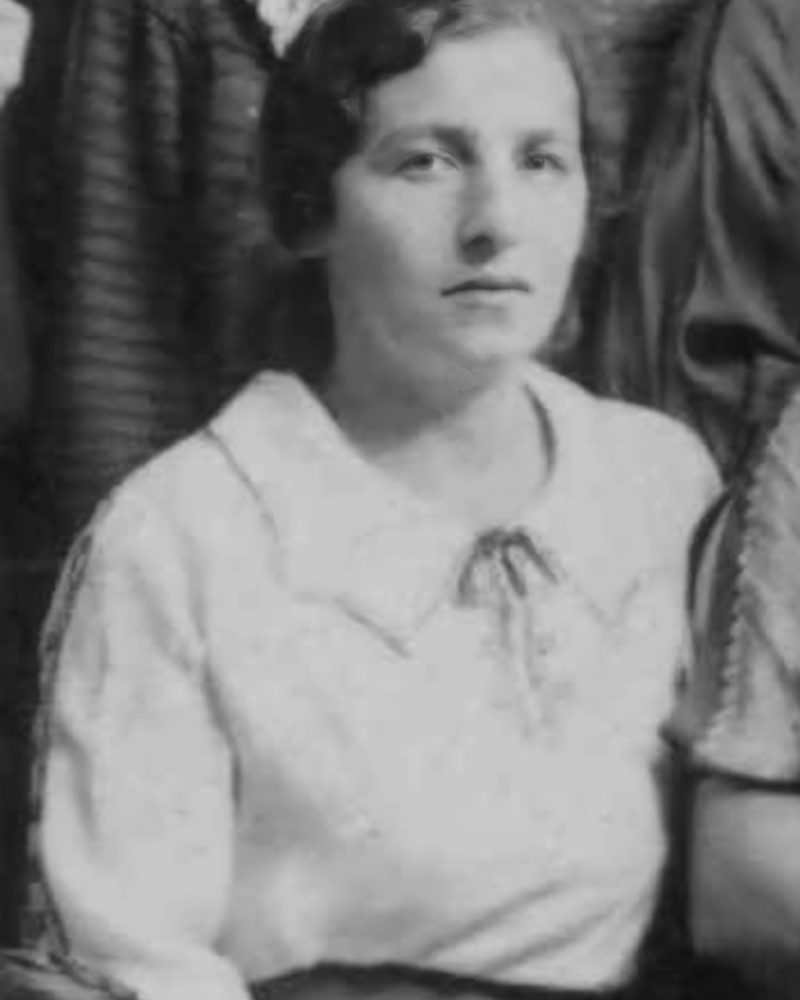
Leah Linzon
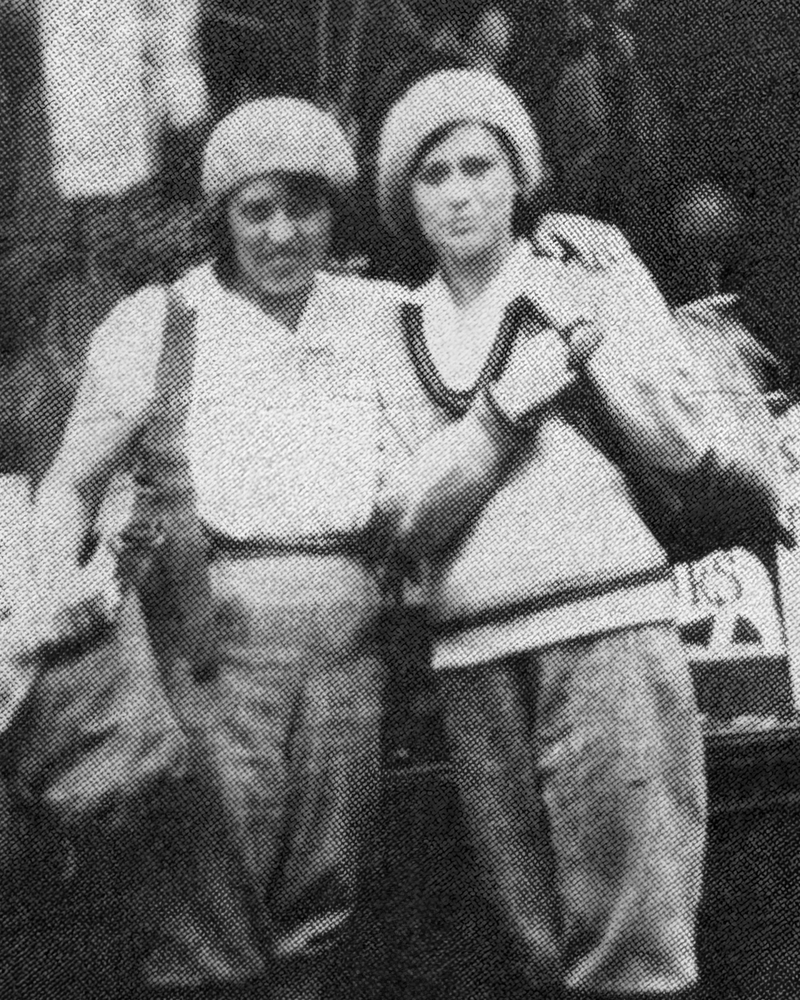
Becky Lapedes & Ethel Temkin
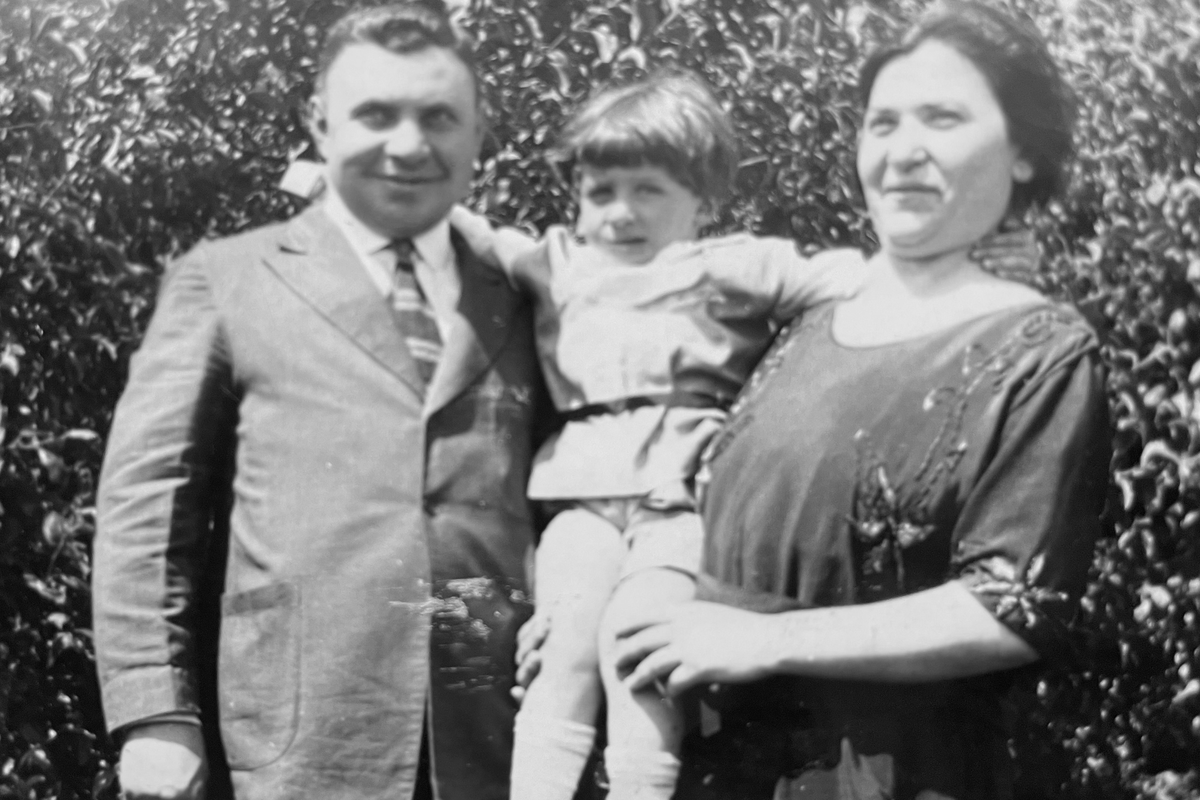
Gertie Blugerman
Read the whole story
Camp Naivelt at 100, the booklet
The full hundred-year history, told through archival photographs and the voices of the people who lived it. Proceeds support the camp.